
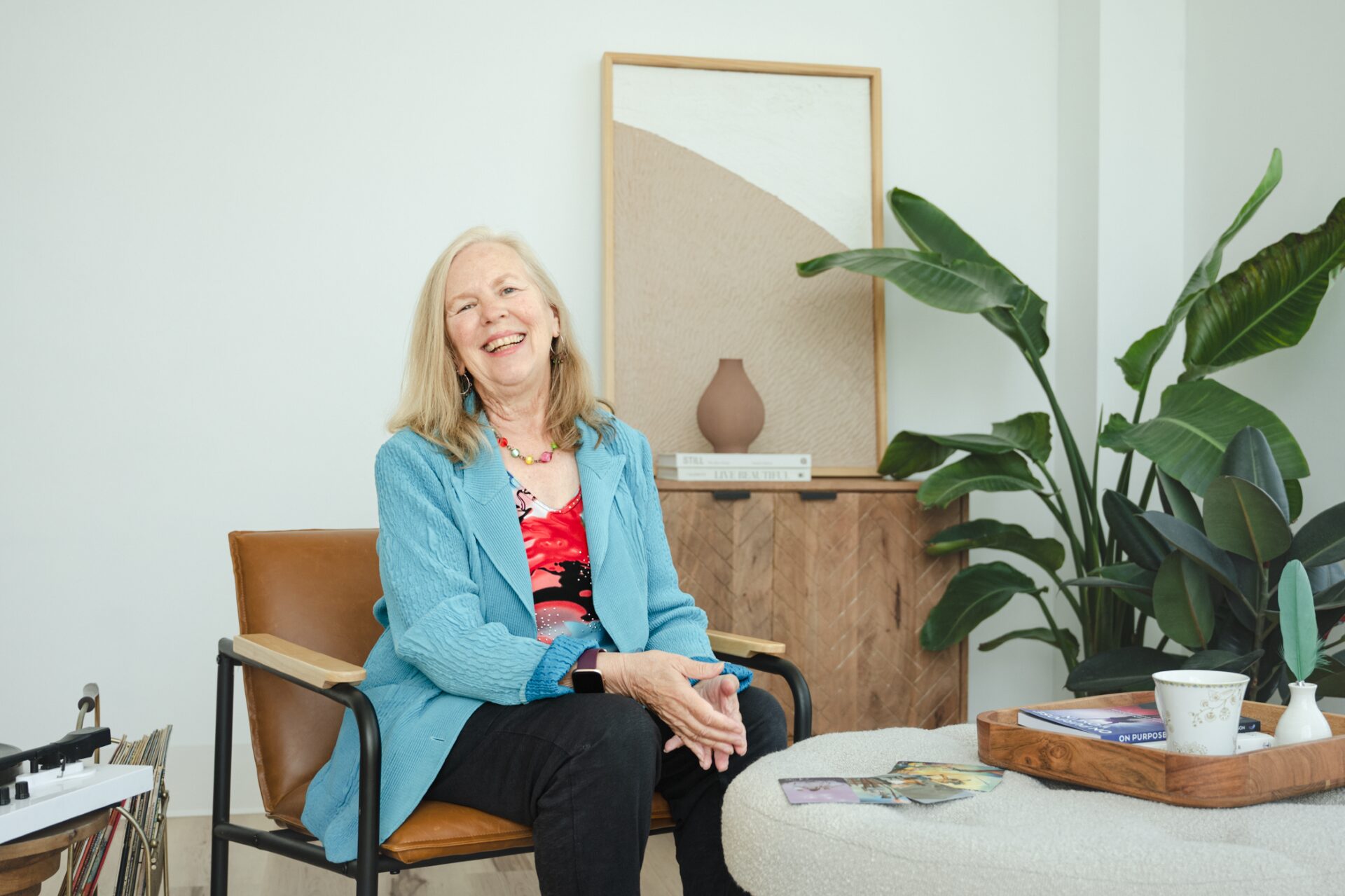
Laurie Morin
Author and Book Doula
Your life story is your legacy. Let me help you bring it to life.
I’m Laurie Morin — author, teacher, and book doula. I help people turn their life stories into books that heal, inspire, and leave a legacy.
I call myself a Book Doula because helping people bring their stories to life feels much like guiding a birth—sacred, creative, and deeply human. If you’re feeling that quiet tug to write your story — to make sense of where you’ve been and discover what’s next — I’d love to be your guide.
I help writers like you uncover the deeper meaning behind their memories and bring their stories to life. Writing your book isn’t just about words on a page — it’s about transformation, healing, and leaving a legacy of truth and courage.
Work with the Book Doula
VIP Writing Days
Feeling lost getting started, or frustrated by the messy middle of your memoir?
Imagine how it would feel to get personalized, one-on-one support to make massive progress on your book in just one day!
Join me for a VIP writing day, where I’ll meet you wherever you are in your writing journey. Together, we’ll create clarity, structure, and momentum for your book.
Writing Retreats
Do you find yourself procrastinating and losing momentum on your memoir?
What if the missing piece isn’t more discipline—but more support, inspiration, and sacred space?
Join me for an intimate, soul-nourishing writing retreat, where you’ll reconnect with your voice, reignite your writing practice, and finally make meaningful progress on the memoir you’re meant to write.
Transformational Memoir Incubator
Do you feel isolated, unmotivated, and unsupported on your writing journey?
Maybe the missing ingredient is a supportive writing community to guide and support you through the process.
Join the Transformational Story Incubator, a safe container where you will get expert guidance, accountability, and feedback to jumpstart your memoir and keep the momentum going until it is ready to publish.
What They're Saying
Laurie Morin’s “Jumpstart Your Memoir” course was exactly what I needed to get started with my very first book. I’ve had a calling to write a memoir so that I could help others through my life experiences. But I didn’t know how or where to start.
Laurie took us through concrete examples of different types of memoirs and provided us with great writing tips and tools. By the end of the six-week course, I had a beginning, a middle (climax), and an ending for my book!
Her gentle and caring approach to teaching made the class a wonderful experience. It felt like a warm and safe space for students to share our writings and get/provide feedback. I learned so much!
I highly recommend Laurie’s course for anyone needing momentum, assistance, and inspiration for writing their memoir.
Before joining this group, I had done very little writing. I had just done a lot of talking about “writing a book.”
It’s been 11 years that I’ve talked about writing a book, and with Laurie’s program, I actually have seven written stories. (about 8,100 words).
Laurie shared excellent writing prompts that allowed me to drill down and put to paper the story I really wanted to share. Completing the course with Laurie was exactly what was needed to get the project started, and now I have a deep desire to finish what has been started.
I absolutely recommend this group to other aspiring writers. Our small group became very close, and we were excited to see everyone’s finished products. The weekly feedback from Laurie and the participants was a great benefit.
Before I started this group, I had felt called to write a book about my health journey for several years. I had started the book many times, but never got far. I had previously written scripts for children’s plays and puppet shows, and while I feel confident my writing ability, the form of a memoir felt so foreign I did not know where to start.
Laurie helped me translate my skills to this new format and become comfortable with it. Her lessons and exercises gave a lot of good tips on structure and helped us shape our theme and keep our writing consistent with that theme. The group feedback and breakout sections built my confidence and confirmed that I would be able to reach my audience. Moving forward, I have a clear theme and a working outline. I am three chapters into a rough draft that I hope to complete by the end of this month.
